The evidence is clear: children who read well early do better for life. Here is why the Foundation Phase is so important.
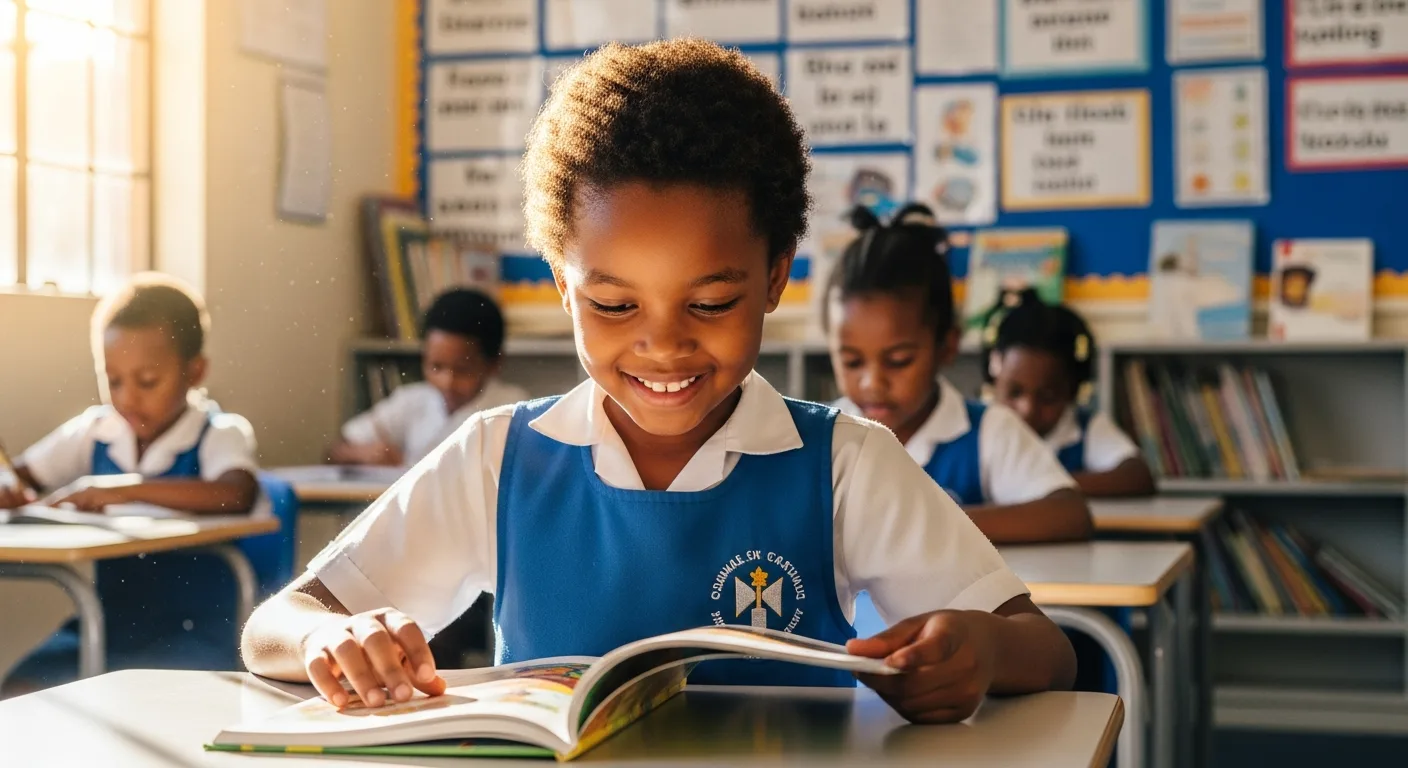
Reading is the single most important skill a child learns in their first years of school. In South Africa, getting it right early is not just helpful — it is urgent.
The 2021 Progress in International Reading Literacy Study (PIRLS) found that 81% of South African Grade 4 learners could not read for meaning — the lowest result of all countries tested. The 2030 Reading Panel tracks this crisis year after year.
These numbers are not about ability. They are about children not getting enough of the right practice, early enough.
Up to about Grade 3, children are ‘learning to read’. After that, they are ‘reading to learn’ — every other subject assumes they can read. A child who falls behind early has to work twice as hard to catch up.
Strong early reading is linked to better results across all subjects, higher confidence, and staying in school longer.
Reading difficulties respond well to early, structured support. A few focused minutes of the right practice each day genuinely changes a child’s path.
External sources open in a new tab. Saving Grace Education Group is not affiliated with these organisations.
Our CAPS-aligned programme turns these ideas into fun, interactive lessons. Try the first two lessons of every grade for free.
Help your child become a confident reader. Explore the CAPS-aligned Saving Grace Learn to Read programme — the first two lessons of every grade are free, no card needed.
