Decades of research point to one thing: systematic phonics is the most reliable way to teach reading. Here is why.
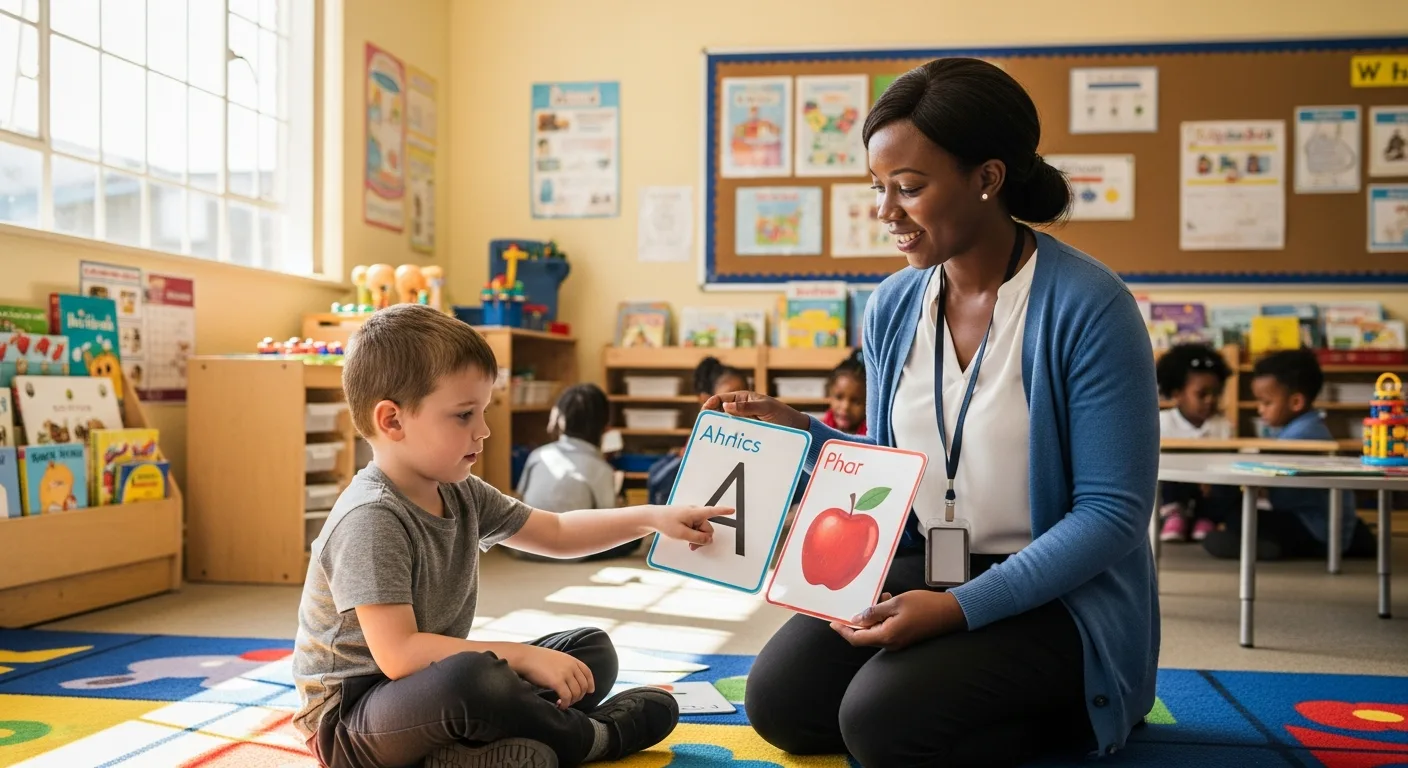
There is more agreement among reading researchers than you might expect. When it comes to teaching children to read, systematic phonics comes out on top again and again.
Phonics teaches the link between sounds (phonemes) and the letters that represent them. Once a child can turn letters into sounds and blend them, they can decode almost any word — even ones they have never seen.
Systematic phonics teaches sounds in a planned order, from simple to complex, so each new skill builds on the last. This is far more effective than hoping children guess words from pictures or context.
It is exactly the approach the CAPS curriculum builds on in the Foundation Phase.
Clean sounds — ‘sss’ rather than ‘suh’ — blend together far more smoothly into real words. Small details like this make a big difference to how quickly reading ‘clicks’.
External sources open in a new tab. Saving Grace Education Group is not affiliated with these organisations.
Our CAPS-aligned programme turns these ideas into fun, interactive lessons. Try the first two lessons of every grade for free.
Help your child become a confident reader. Explore the CAPS-aligned Saving Grace Learn to Read programme — the first two lessons of every grade are free, no card needed.
